With nearly 70% of UK luxury travellers now valuing experiences over possessions, the future of luxury travel PR lies in deeper, more meaningful storytelling
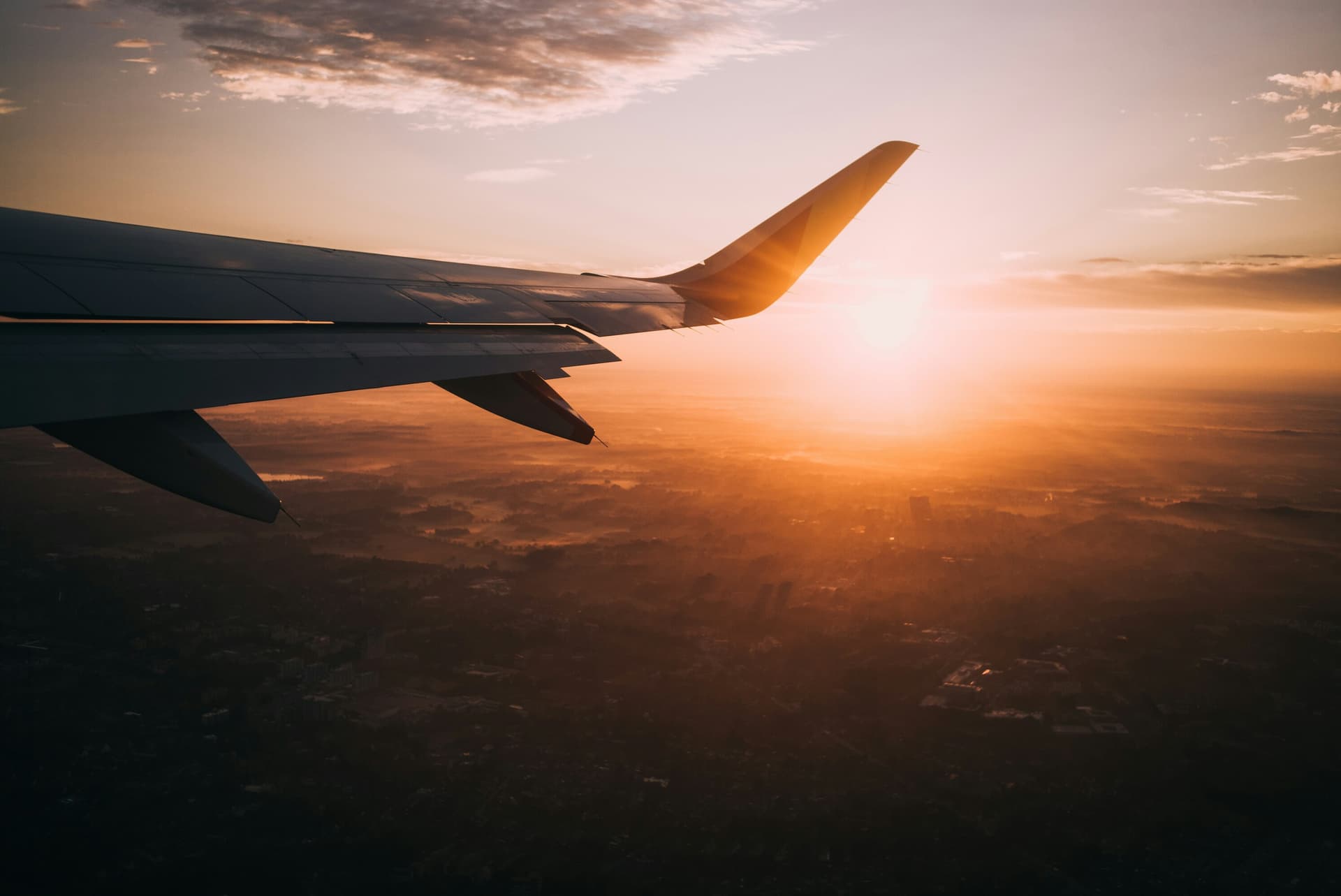
I still remember every holiday I’ve been on. There’s something about the buzz of packing your bags, grabbing a taxi to the airport, and jumping on a flight to some exotic destination. As travel becomes more and more accessible, the simple joy of travelling seems to be lessening, with people now looking for more excitement than ever before from their escapes.
In tune with all other forms of travel, the luxury landscape is undergoing a profound shift, and has been for quite some time now. UK consumers, in particular, are moving away from overt displays of opulence and instead gravitating towards experiences that feel personal, purposeful, and emotionally resonant. As the global luxury travel market has reached an estimated USD 2.4 trillion by 2025, on track to reach USD 4.5 trillion by 2035, the growth story is being shaped by a new understanding of luxury, one rooted in connection, authenticity, and depth.
The New Age Luxury Consumer
Today’s luxury traveller is extremely well informed, values-led, and increasingly intentional. For UK consumers, price seems to have gone out the window, as luxury now means more about how deeply it resonates with an individual’s feelings and emotions than anything else. Experiences that offer insight, enrichment, and a sense of discovery are now seen as far more valuable than material indulgence alone and bring more happiness in the long run. This mindset also reflects a broader cultural shift in ideas around wellbeing, sustainability, and personal growth.
Generational influence plays a significant role in this evolution. Millennials and Gen Z, who now represent a growing share of luxury spend, prioritise memory-making over material ownership. They are also more sceptical of traditional marketing, responding instead to genuine narratives, peer recommendations, and brands that clearly articulate their purpose. This has reshaped what people buy and how they engage with luxury travel brands.
A New Definition of Luxury
Luxury travel of the past was defined by five-star service in isolation. Nowadays, it is characterised by access, authenticity, and emotional value. We are seeing more and more how UK travellers are seeking moments that feel rare and personal, such as dining with local chefs, exploring destinations through the eyes of residents, or engaging in experiences not available to the mass market.
This shift has given rise to the concept of “deep luxury”, a more nuanced expression of refinement that prioritises meaning over spectacle. Deep luxury is quiet, thoughtful, and rooted in experience. It values sustainability over showmanship, personalisation over standardisation, and emotional impact over visual excess. For travel brands, this means rethinking how their unique offerings are communicated.
Key Trends Shaping Experiential Luxury Travel
One of the most prominent trends we are now seeing is the rise of immersive cultural experiences. Luxury travellers are increasingly drawn to curated journeys that offer genuine insight into local heritage and traditions. Brands such as Belmond have embraced this shift through experiences that blend refined travel with meaningful cultural engagement, offering guests a deeper understanding of place rather than a surface-level stay.
Wellness-led travel has also become a defining pillar of experiential luxury. High-end travellers are investing in retreats that support physical, mental, and emotional wellbeing. Properties such as Brenners Park-Hotel & Spa have responded with programmes that combine medical-grade wellness, restorative treatments, and nature-led activities. These experiences appeal to travellers seeking long-term benefits over short-lived indulgence.
Sustainability and responsible travel now sit firmly at the centre of luxury decision-making. UK consumers are increasingly aware of the impact their travel choices have on the environment and local communities. Brands like &Beyond are trying to set a new benchmark by integrating conservation, community development, and low-impact tourism into their core offering. For PR agencies, this creates an opportunity to spotlight purpose-led initiatives that build credibility and trust.
Hyper-personalisation is another major driver of experiential luxury. Bespoke itineraries, tailored pacing, and individualised experiences are now expected rather than exceptional. The Travel specialist Black Tomato exemplifies this approach, crafting highly customised journeys that touch on personal interests and aspirations. Storytelling around these experiences allows PR teams to demonstrate value through real, human narratives.
Finally, unique accommodations have become a powerful symbol of experiential luxury. Travellers are increasingly drawn to properties that offer something distinctive, architecturally, environmentally, or emotionally. Stays such as Treehotel in Sweden or Verdala Wellness Hotel in Malta illustrate how design-led originality can deliver both comfort and a sense of wonder. These properties lend themselves naturally to visual storytelling and editorial coverage, helping brands stand out in a crowded market.
Market Dynamics Driving the Shift
The experiential luxury movement is unfolding within a rapidly expanding global market. Europe, alongside North America and Asia-Pacific, continues to be a key growth region, with air travel accounting for around half of the luxury travel sector’s value. This growth has intensified competition among operators, placing greater emphasis on differentiation and brand narrative.
Leading players such as Abercrombie & Kent, Scott Dunn, and TUI Group are continually evolving their offerings to meet changing consumer expectations. For PR agencies, this means moving beyond product-led promotion and towards storytelling that communicates ethos, experience, and impact.
Just the Beginning for Luxury Travel PR
The future of PR in luxury travel lies in crafting narratives that capture emotion in a more authentic way. Successful campaigns will focus on why an experience matters, how it makes people feel, and what it leaves behind. Sustainability, hyper-personalisation, and cultural authenticity will become central pillars of communication. Agencies that understand this shift will be best placed to build long-term brand relevance and loyalty.
A Different Way of Doing Business
Experience-led travel will remain at the forefront of industry growth. This evolution presents a clear opportunity for travel brands and PR agencies alike to align with deeper values and more meaningful storytelling. By embracing the principles of deep luxury and placing authentic experience at the heart of communication strategies, the luxury travel sector can continue to inspire, engage, and remain culturally relevant in an increasingly discerning market.
For more related updates and to Katch us covering similar topics, watch this space!
Katch our game-changing Public Relations, Social Media, Branding & Design, Brand Consultancy, Digital Marketing, and Global Communications services to help your brand make noise. Get in touch with our 360-Marketing Agency in Dubai, Qatar, Saudi Arabia, and London, and let’s get the conversation started!